Explore practical Grow Machines projects, the crops trialled and the production insights that informed the next generation of systems.
Built through practical production, testing and continual improvement.
The Grow Machines journey
Built through continuous improvement
Grow Machines began with our own practical production journey in 2008. By 2014, we had learned that hydroponics is never only about channels, pumps or a structure. It is about crops, people, climate, markets and the realities of each individual site.
Every production season, prototype and client conversation added to that understanding. We tested, learned, improved and kept moving. The eight projects below are a selected window into a much bigger story: how growers begin, learn, refine their plans and sometimes grow into focused commercial operations.
There is no single route into hydroponics. We work with each grower’s space, crop ambitions, budget, practical experience and market opportunity to identify a useful next step.
Our development timeline
Where we started — and where we are heading
Swipe through the timeline →
2008
Production came first
Traditional bag-grown tomato production gave us hands-on experience of crop work, systems and the daily realities behind commercial growing.
2010
Full-time hydroponics
After leaving the mines, Wynand focused full time on hydroponics. DWC and vertical prototypes taught hard lessons; horizontal benches became the direction that worked.
2010–2013
Production at scale
Own lettuce and vegetable production for the market turned development into daily practice, with approximately 25,000 plants in production at the time.
Early 2010s
Home Systems opened the door
Commercial experience shaped practical Home Systems so more people could start learning, growing and discovering what hydroponics can do.
2014
The Hallelujah chapter begins
The Hallelujah System patent was accepted and the first commercial installation marked a new chapter of supporting growers from home systems to commercial projects.
Today
Ready for the next challenge
We continue to learn with growers across South Africa and beyond. The Hallelujah System reflects the practical lessons that shaped Grow Machines, and we are ready to work with a serious large-scale grower who wants to pursue world-class production through strong design, disciplined management and continual improvement.
Every grower’s story deserves respect
We deliberately do not publish client names or treat established growers as showrooms. Their homes, businesses and hard-won knowledge deserve privacy, and we do not arrange casual visits that interrupt their work. Instead, we invite prospective growers to visit Grow Machines, meet the team and explore what may be possible for their own site and goals.
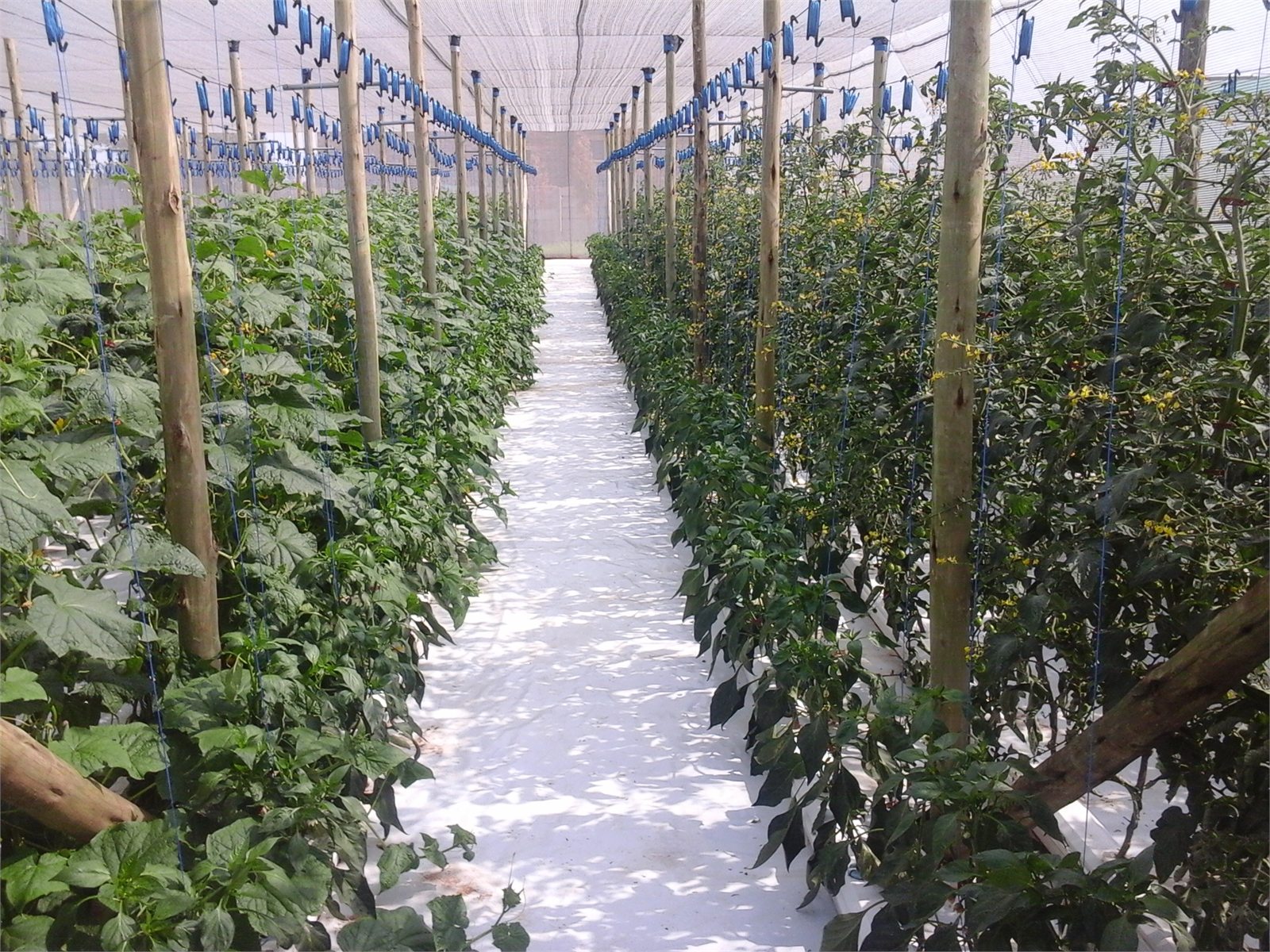
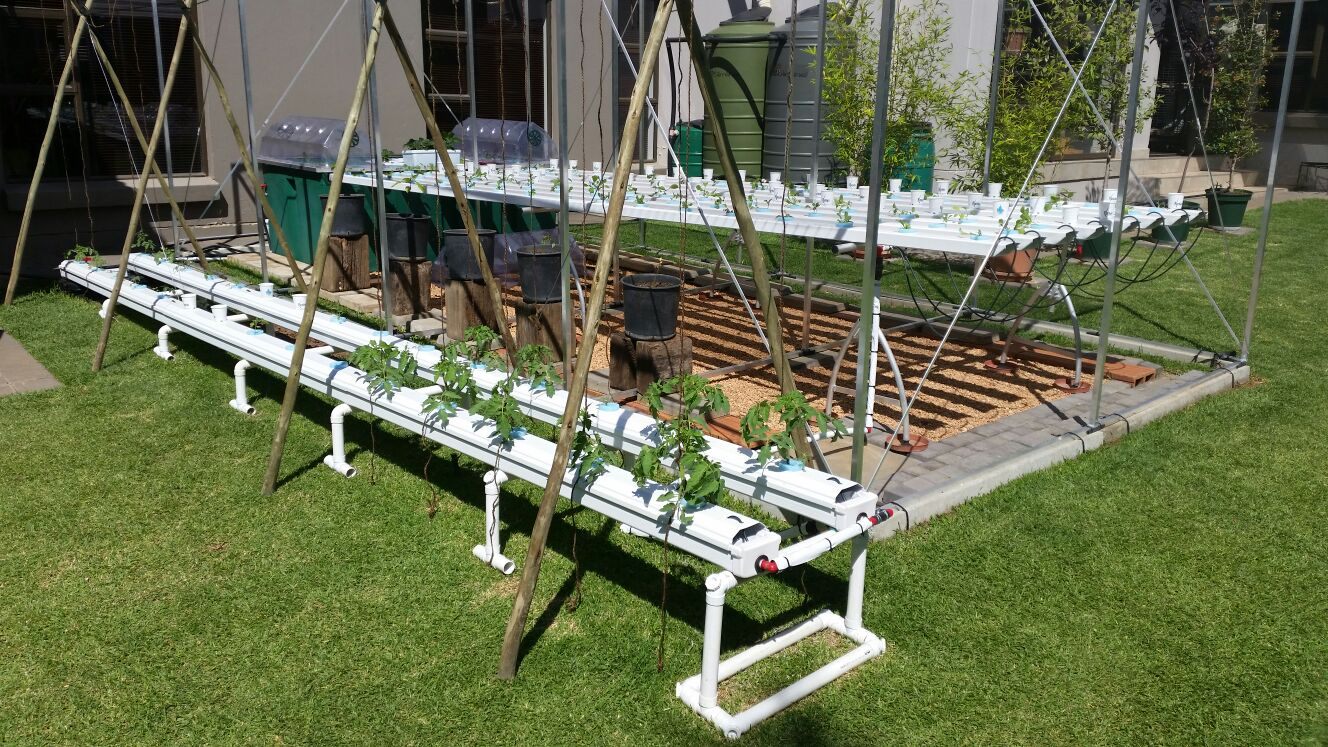
This early commercial Hallelujah system became an exciting live learning platform. Together with the client, Grow Machines explored more than 20 crops and used the results to identify practical crop, market and income opportunities.
System
Hallelujah NFT Trellis Crop Hydroponic System
Focus
Mixed crop trials
Project story
Commercial installation, 2015
Explore this projectOpen the gallery, crop insights and full project story
Photo insight
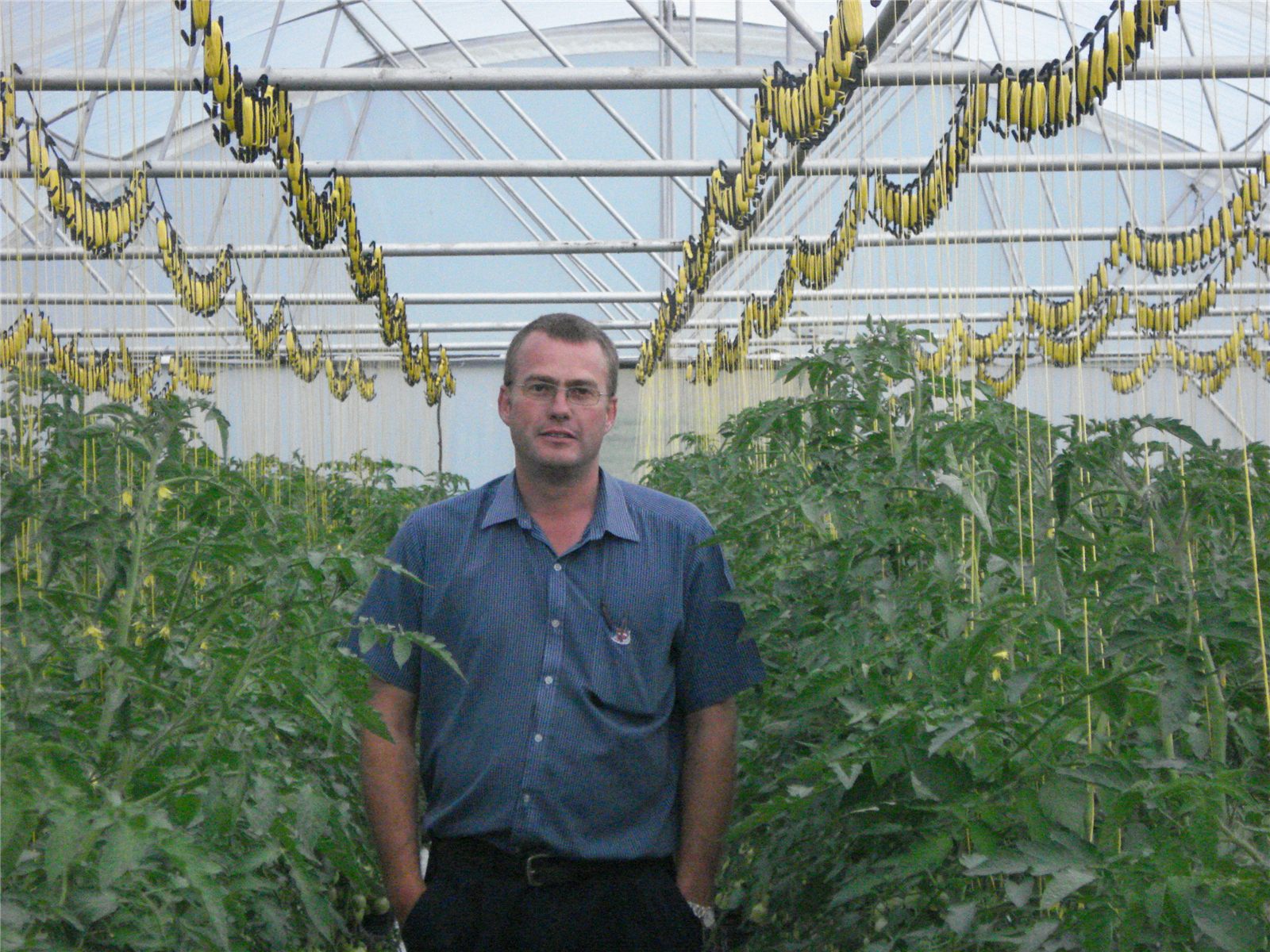
This mature tomato crop taught Grow Machines how important dissolved oxygen is during adult growth stages—an issue we addressed seriously in later model refinements.
Gallery
What this project proved
More than 20 crops were explored, including tomatoes, cucumbers, peppers, chillies, Pak Choi, lettuce, celery, zucchini, cabbage and Chinese cabbage. The trials showed the power of keeping the crop conversation open: a first crop choice can lead to other promising routes for a grower’s local market.
Crop cycle time, local demand, selling prices and packaging costs all influence which opportunity is strongest. Grow Machines uses practical trials such as this to learn alongside clients, advise with better context and continuously refine future systems.
Crop discovery
Leafy crops, cucumbers, chillies, zucchini and tomatoes made this a genuine discovery platform for testing crop potential beyond a single starting choice.
Designed for local conditions
The properly designed net house proved a more affordable and effective route for the project’s African growing conditions.
Production learning
The mature tomato crop highlighted the importance of dissolved oxygen during adult stages, a lesson addressed seriously in later model refinements.
What comes next
Trials help reveal which crops deserve more space and which crop-market combination offers the most promising next opportunity.
An early SMART Rooikat project, established in 2020
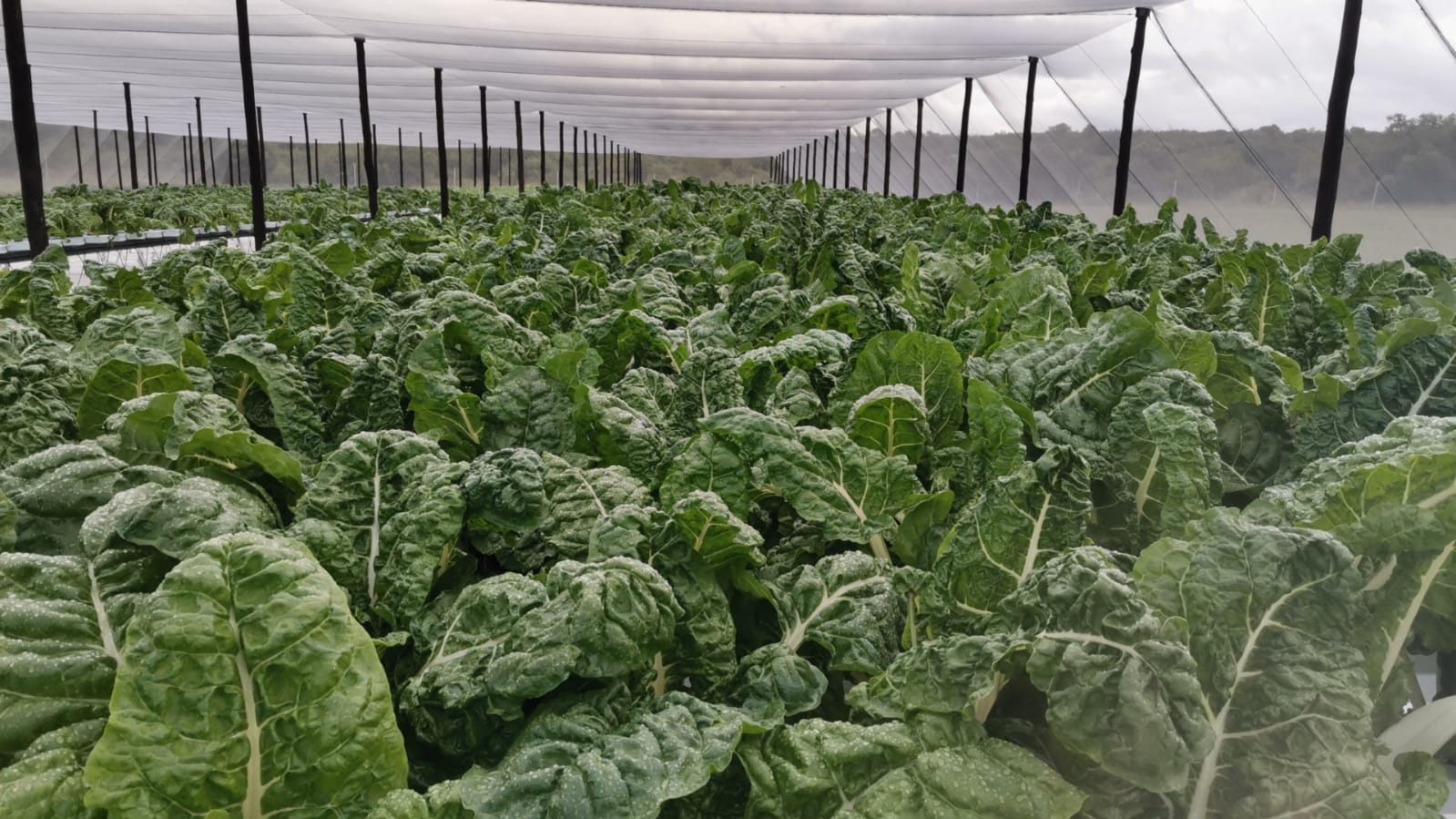
Established in 2020, PlantBietjie brought together Grow Machines’ Rooikat NFT Bench System, SMART Life Support and two determined growers. The project remains focused on Swiss Chard production.
System
Rooikat NFT Bench System
Focus
Swiss Chard production
Project story
Commercial installation, 2020
Explore this projectOpen the gallery, shared-build story and SMART-system learnings
Photo insight
PlantBietjie’s established Swiss Chard crop represents a focused leafy-crop route that the growers chose to continue developing.
Gallery
Built through shared commitment
PlantBietjie began with two brothers, a limited budget and a serious commitment to build a commercial leafy-crop project. Grow Machines supplied the design and planning, net-house drawings, bill of materials, costing support and the Rooikat NFT Bench System. The clients prepared the ground, built the net house and installed the first system themselves using Grow Machines’ installation drawings and training.
Grow Machines then assisted with commissioning and the SMART Life Support installation. The result was a neat, professional project that produced successfully from the start, according to Wynand, and has continued with Swiss Chard because of its popularity and demand.
A practical route to market
Crop trials helped the growers settle on Swiss Chard as the production focus. Good crop quality and taste supported that practical decision.
Presentation matters
For a fresh, customer-ready presentation, Grow Machines recommends BOPP pillow bags for Swiss Chard packaging.
SMART Life Support learning
This early SMART-system project showed that some growers value remote monitoring while others prefer simpler manual controls. Those lessons informed more accessible control options and ongoing SMART-system improvements.
Built for the next step
The newer Wagter platform is being developed for Android and iOS. It is not presented here as installed at PlantBietjie or as a released product.
A retirement dream shaped around a small yard, shared work and a nearby market
A custom NFT system helped one couple grow fresh vegetables for a nearby shop, creating a practical activity and income route that suited their lives.
System
Custom NFT raised bed and compact Hallelujah system
Focus
Leafy crops and tomatoes
Project story
Backyard project begun in 2014
Explore this projectOpen the gallery, backyard story and practical lessons
Photo insight
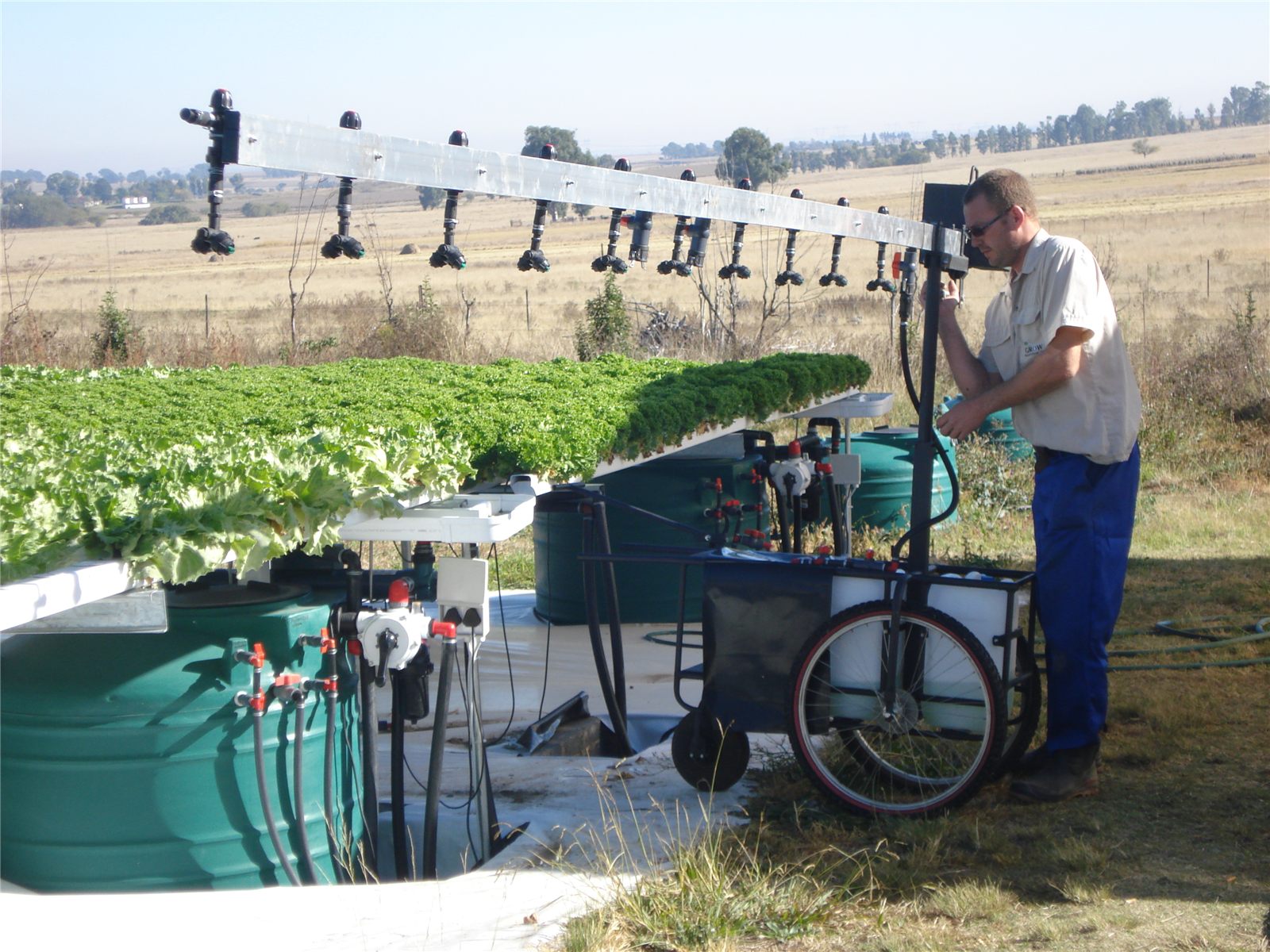
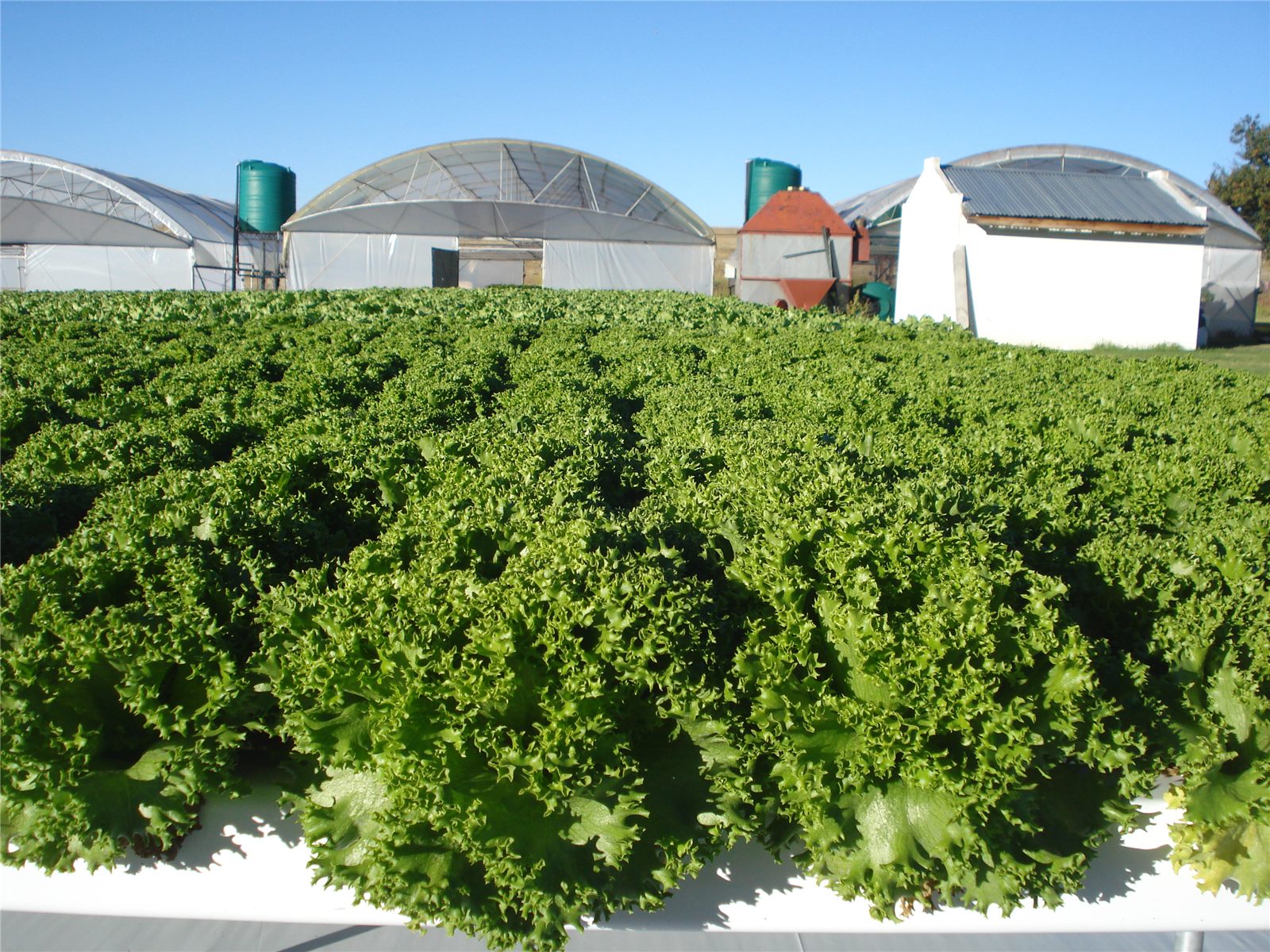
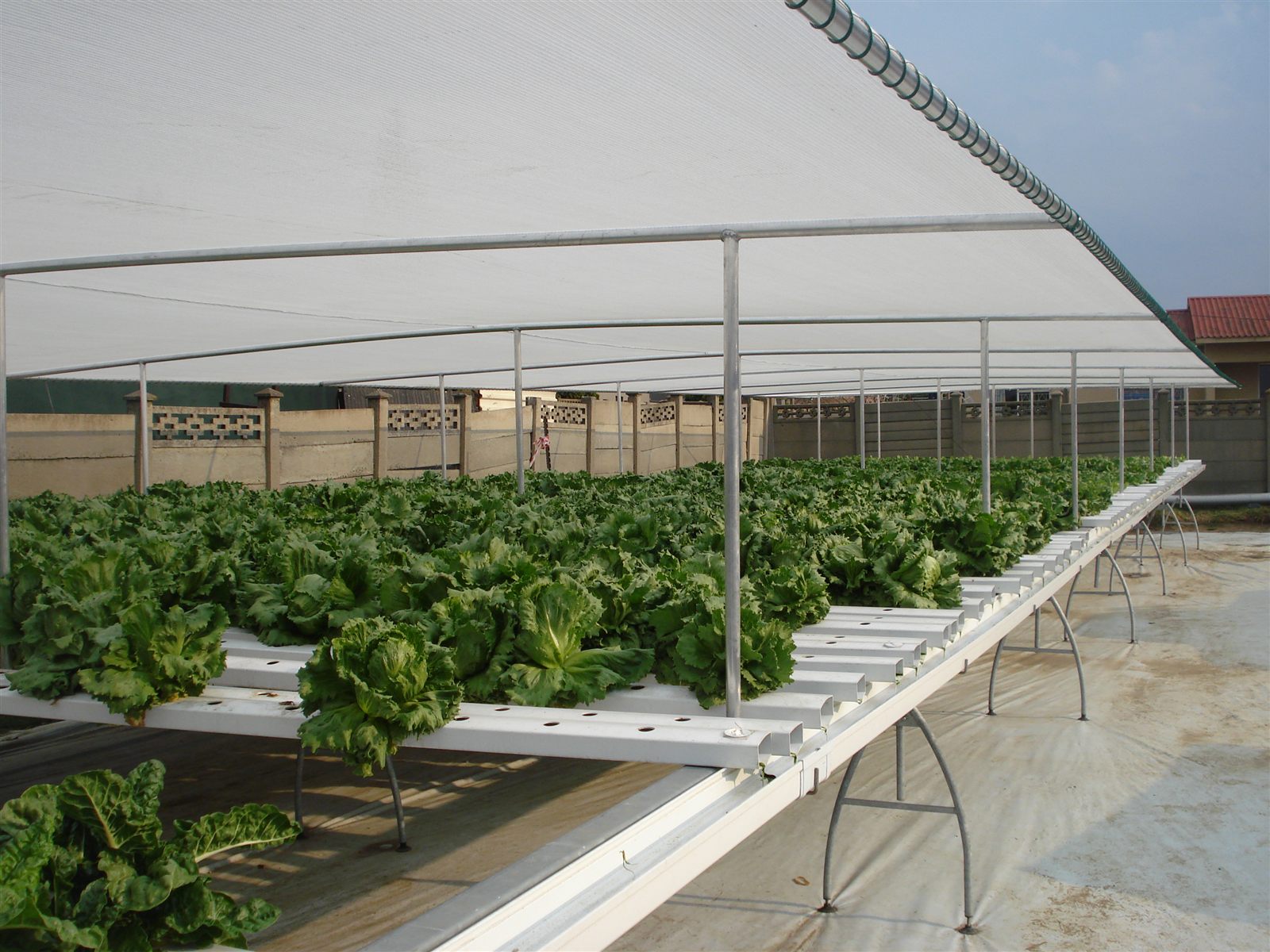
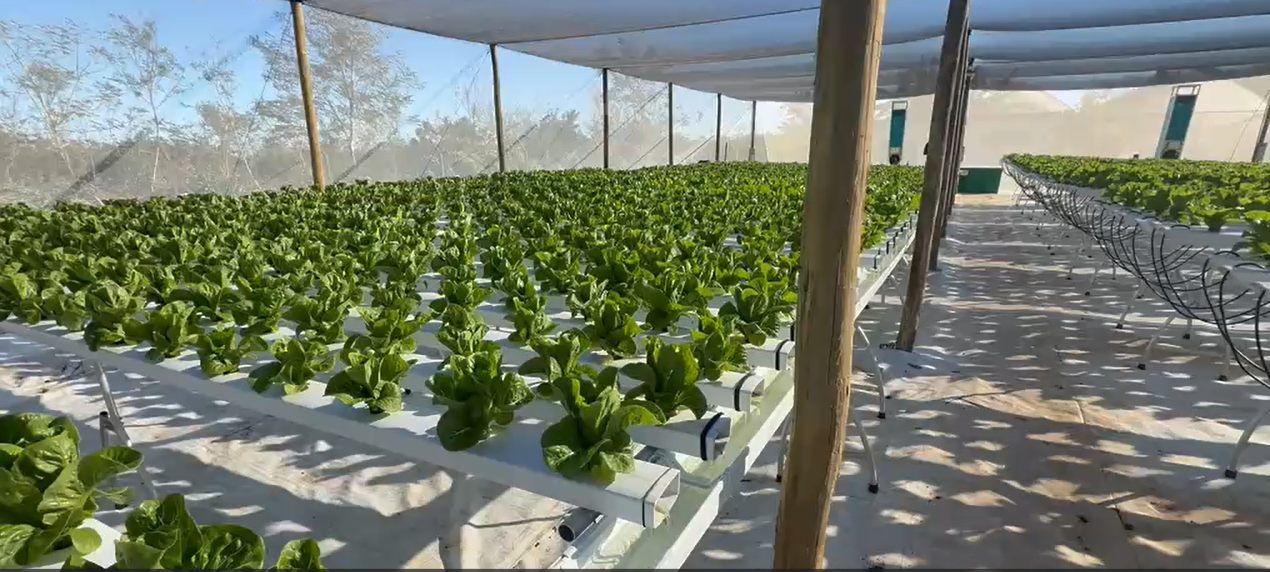
Lettuce growing beneath the net roof shows the custom NFT raised-bed system that started this backyard hydroponic story.
Gallery
A retirement dream, close to home
Oom Jannie wanted to farm, but he had no large piece of land. What he and his wife had was a small space behind their home in Ermelo, a modest pension and a wish to build something they could do together. In 2014, that curiosity became a practical backyard project shaped around the space and budget they actually had.
Grow Machines designed a custom early NFT raised-bed system for the yard. A greenhouse exceeded the available budget, so an affordable net-roof structure was designed to bolt onto the system, with weather protection an important consideration. The installation also used an early Life Support system; working with these early designs taught Grow Machines lessons that helped shape later systems.
Curiosity led to the next step
Tomatoes grew in the raised-bed system, but became harder to manage as plants grew larger. Grow Machines subsequently installed a compact Hallelujah NFT Trellis Crop system suited to the yard, alongside lettuce and Swiss Chard production.
A market just around the corner
The couple’s relationship with a nearby vegetable shop created a practical outlet. Harvests could be loaded into a trolley and taken straight from the backyard to the buyer.
An ending that still carried value
After several years of production, the system was sold for 90% of its original purchase price, according to Wynand’s account. This was the outcome of this particular sale, not a guaranteed resale value.
What this project teaches
A project can begin in an ordinary yard when the design matches the available space, budget and workload. A nearby market can matter as much as the equipment, while crop trials help reveal the best fit.
A climate-conscious hydroponic project built for a nearby hospitality market
A Hallelujah system and two Home Hydroponic Systems helped a local grower produce a varied range of fresh vegetables for hotels and guesthouses, with heat, cooling and practical controls central to the installation.
System
Hallelujah and two Home Hydroponic Systems
Focus
Fresh produce for a local hospitality market
Project story
Commercial installation, 2016
Explore this projectOpen the gallery, climate story and installation lessons
Photo insight
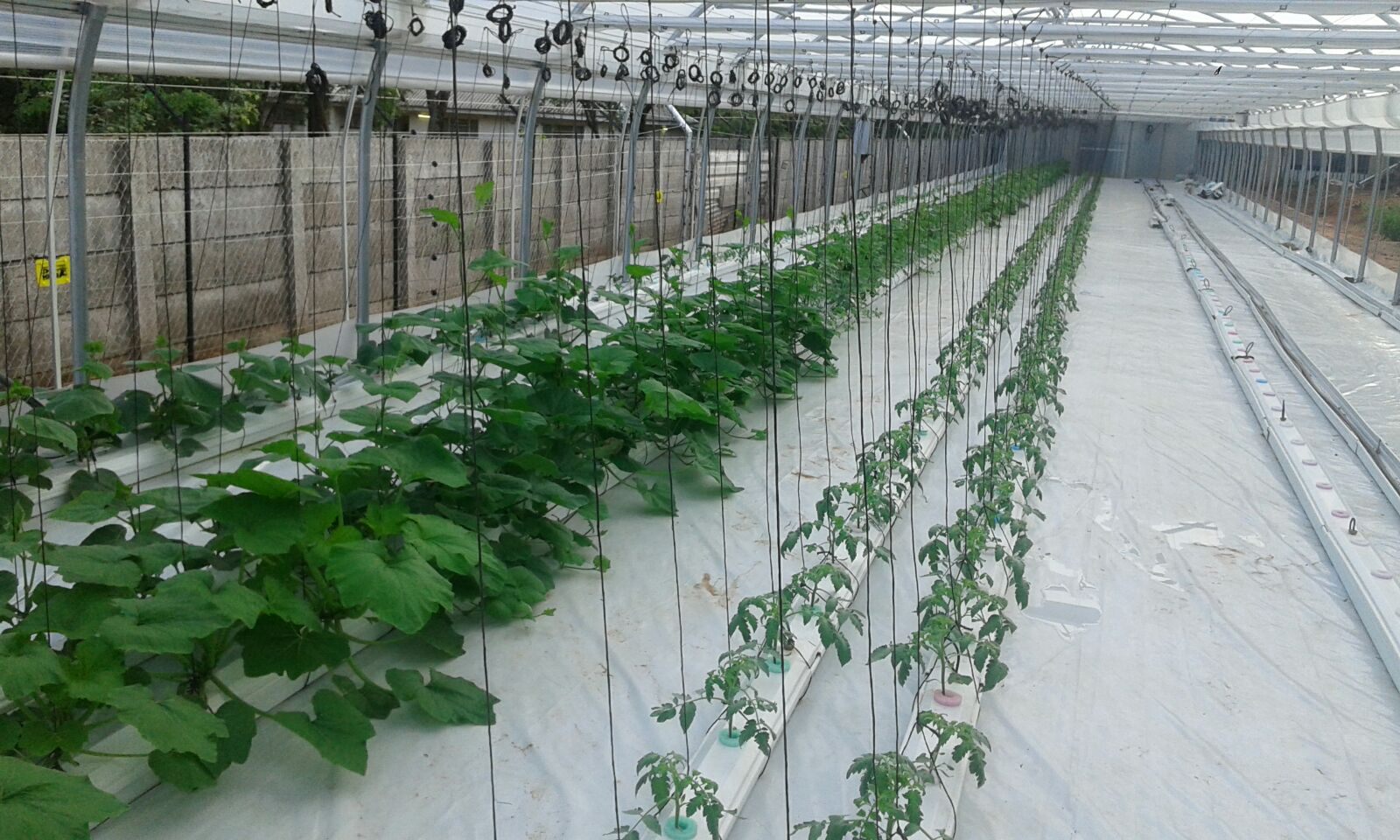
Young crops in the Hallelujah system inside the main greenhouse provide the central visual reference for this Victoria Falls project.
Gallery
Fresh produce closer to its market
In 2016, a grower in Victoria Falls saw an opportunity to supply fresh vegetables to local hotels and guesthouses from a growing area beside his home. He described high vegetable prices and produce arriving in poor condition after the long journey from South Africa. His aim was to grow a varied range closer to the customers who needed it.
Grow Machines supplied a Hallelujah NFT Trellis system for the larger greenhouse and two standard Home Hydroponic Systems for a smaller tunnel. The Hallelujah supported climbing crops and crop trials, while the Home Systems combined Ebb & Flow seedling areas with NFT channels for lettuce, herbs and strawberries.
Making the installation work in the heat
Wynand recalls greenhouse air temperatures reaching approximately 62°C during installation. Building on earlier lessons, Grow Machines designed and installed its first cooling tower for this project alongside an early Life Support System.
Practical controls mattered
Fans and screens were fitted but were not operating because controls had not been supplied. Wynand stayed extra days, built a control cabinet from locally sourced components and commissioned the fans and screens.
Starting despite infrastructure delays
While the municipal electricity connection was delayed, the grower initially ran the operation with a generator. Grow Machines assisted with commissioning and training; according to Wynand, a variety of crops was then produced for the local market.
Lessons that shaped later projects
Victoria Falls reinforced the value of planning climate, ventilation, cooling, electricity, crop range and transport handling together before committing to major infrastructure. For a hot site, Grow Machines would now also evaluate a suitable shade-net structure.
A practical first step from home towards a future commercial dream
A Home Hydroponic System and a small Hallelujah trial system gave this grower room to explore different crops, grow fresh food for the family and build experience while researching a future commercial operation.
System
Home Hydroponic System and small Hallelujah trial system
Focus
Crop exploration and practical experience
Project story
Growing at home, planning ahead
Explore this projectOpen the gallery, home-growing story and planning lessons
Photo insight
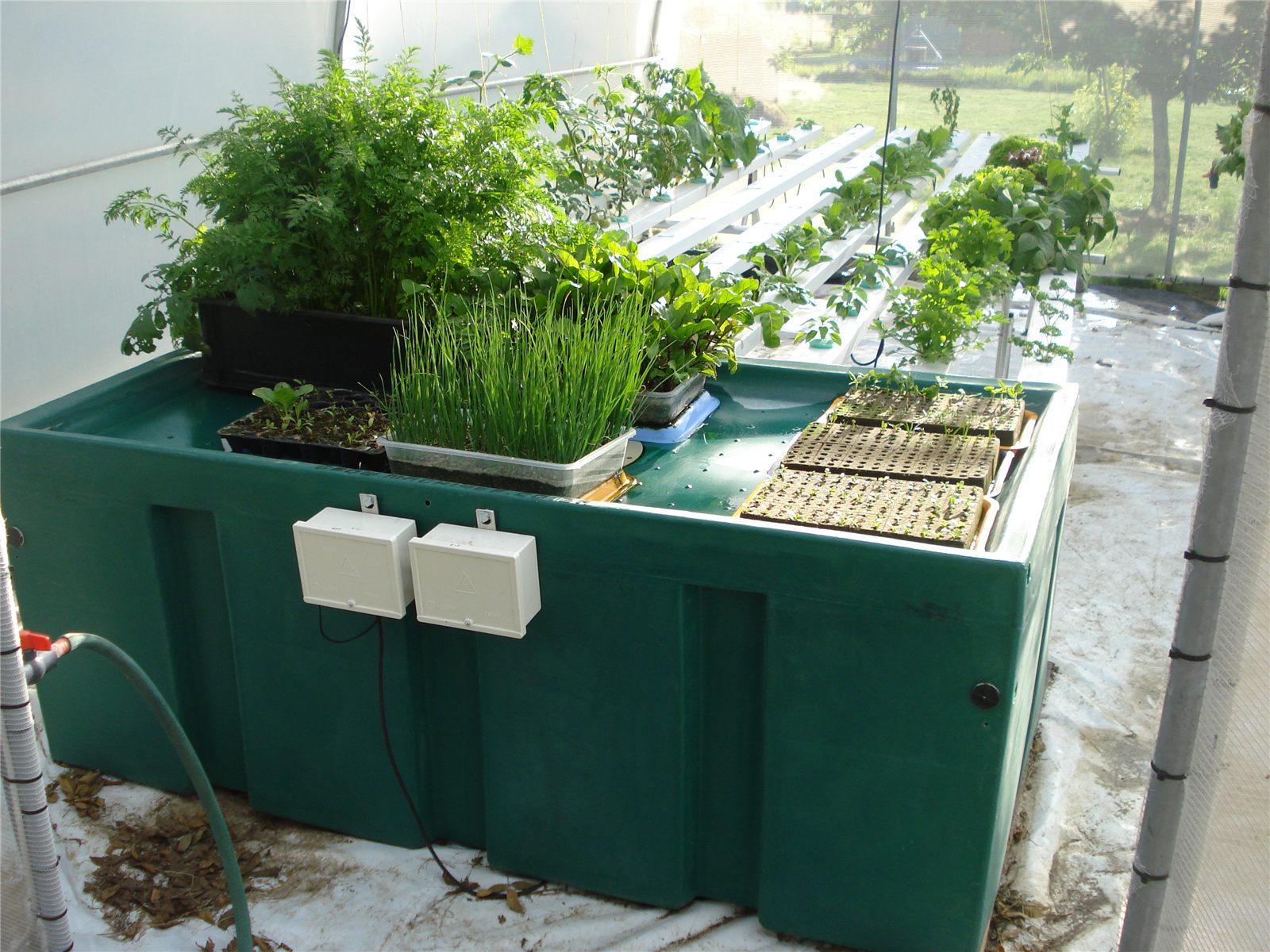
The small Hallelujah trial system beside the Home Hydroponic System shows both systems and the scale of this practical starting point.
Gallery
A big dream can start at home
This Midrand grower wanted to produce commercially one day, but still had a full-time job and needed more space and funding before taking that step. Rather than putting the dream on hold, he started where he was: at home, with room to experiment and fresh vegetables to grow for his family.
Grow Machines supplied a standard Home Hydroponic System and built a small Hallelujah trial system alongside it. Together, they created a manageable setting to explore leafy crops and climbing plants, discover what he enjoyed growing and develop practical experience before planning a larger operation.
Room to explore
Mixed leafy crops, strawberries, young tomatoes and later established tomato growth made this a place to try things, observe plants and learn from one growing cycle to the next.
Value along the way
The installation had a purpose beyond preparation: producing fresh vegetables for the household while the grower worked towards a future business.
Learn before scaling up
Starting small can replace assumptions with experience. It helps a grower consider crop choice, market, harvesting, packaging and delivery before making a larger commitment.
Building the dream in stages
Grow Machines supports a practical route: begin with a system suited to present circumstances, learn from it and use that experience to shape the next conversation about crops, market, layout and equipment.
An unused court became a home retreat for growing, sharing and discovery
A Hallelujah system, Home Hydroponic Systems and Ebb & Flow equipment gave an old tennis court a new purpose: a place to unwind, experiment and grow food to share.
System
Hallelujah, Home Hydroponic and Ebb & Flow Systems
Focus
Growing trials, discovery and shared food
Project story
Home project, 2017
Explore this projectOpen the gallery, home-retreat story and design lessons
Photo insight
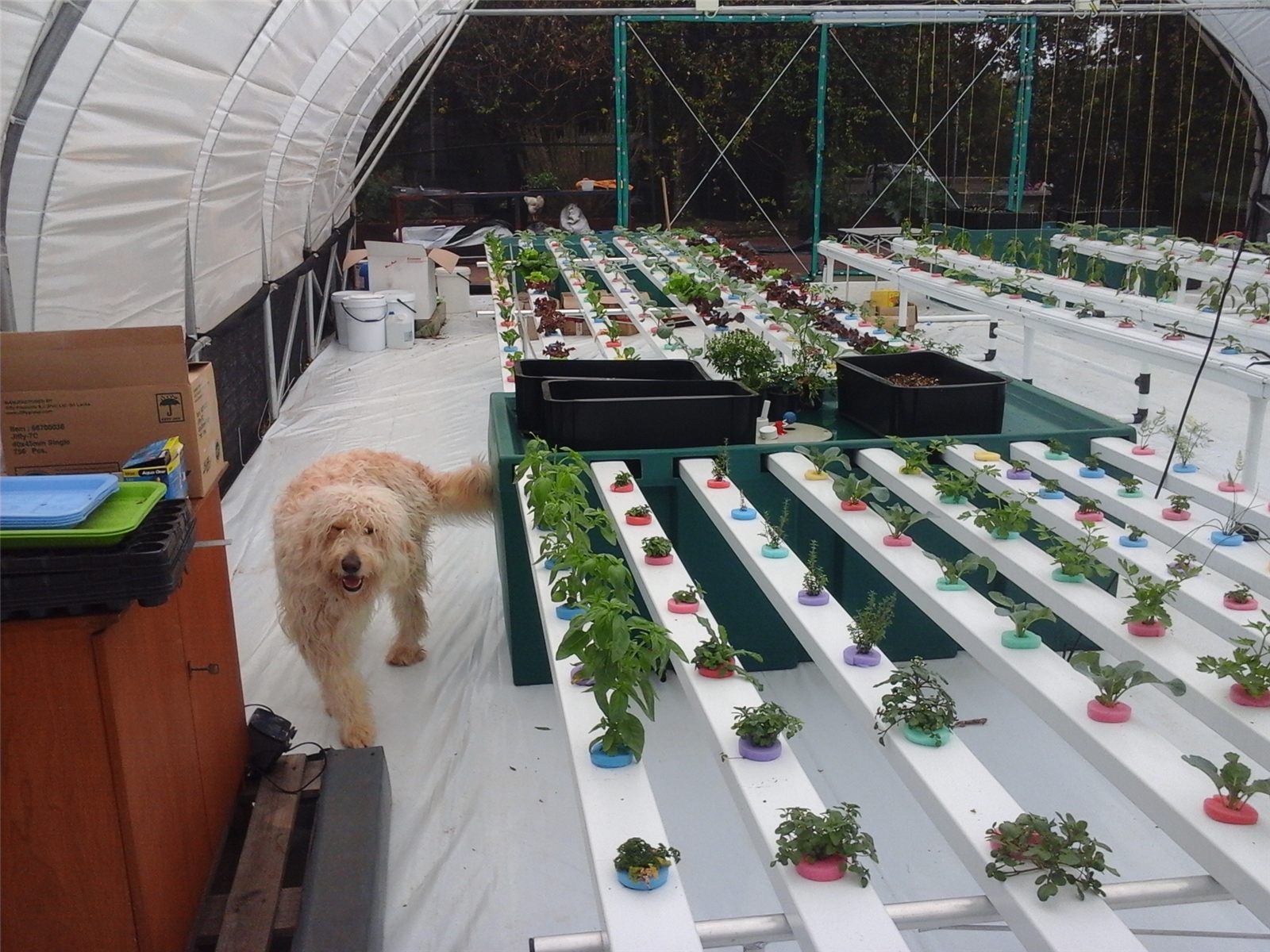
A shaggy dog beside the Home Systems’ planted NFT channels captures the personal character and growing variety of this project.
Gallery
A different kind of home retreat
An old tennis court in Edenvale had lost its appeal. Its owner wanted to give the space a new purpose: somewhere to spend late afternoons and weekends, watch plants develop and enjoy growing food. His vision was to share produce with family and friends, potentially supply some to staff and consider selling any surplus, while first exploring growing for himself.
Grow Machines supplied a Hallelujah NFT Trellis system, a double Home Hydroponic System, a standard single Home System and an additional Ebb & Flow unit for seedlings. The variety gave the grower room to explore leafy vegetables, herbs, climbing crops and different growing methods instead of expecting one arrangement to suit everything.
Heat was part of the challenge
The plastic-covered greenhouse became too warm, reinforcing that the growing environment needs as much attention as the hydroponic equipment. The project informed more practical discussions about climate, scale, budget and suitable covering or ventilation strategies.
A support structure improved through experience
The initial PVC supports allowed channels to sag as plants became larger and heavier. Grow Machines then developed and tested a stronger, adjustable aluminium support structure to help support channels and adjust their slope for intended water flow.
Space for more than lettuce
Containers with growing media in the Ebb & Flow areas gave the grower room to trial crops with different needs. The installation became a practical place to learn, experiment and enjoy growing food.
Another chapter
After several years, the owner moved on to another interest. Grow Machines introduced him to a potential nearby buyer, creating an opportunity for the equipment to remain useful in another setting.
A practical lettuce operation shaped by ambition, limited budget and steady guidance
Five modular NFT systems, a purpose-designed nethouse and ongoing guidance helped an ambitious young grower build and install a practical lettuce operation while keeping future development in mind.
System
Five modular NFT raised-bed systems
Focus
Lettuce production and future growth
Project story
Planning, local installation and support
Explore this projectOpen the gallery, planning story and practical lessons
Photo insight
Lettuce growing in raised NFT channels beneath the nethouse covering provides the established-production overview for this project.
Gallery
Ambition, encouragement and a practical start
A young grower contacted Grow Machines with a clear ambition: begin growing hydroponically and build a larger business over time. He had limited experience and a limited budget, but was willing to learn and do the work. Over several years, Wynand kept in touch through WhatsApp and telephone conversations, helping him work through questions as the project took shape.
The planning focused on productive growing space, equipment suited to a lettuce market and essential functions needed to get started. The intent was a practical, affordable configuration that kept room for development, without presenting a small start as a guarantee of commercial viability.
A nethouse planned around production
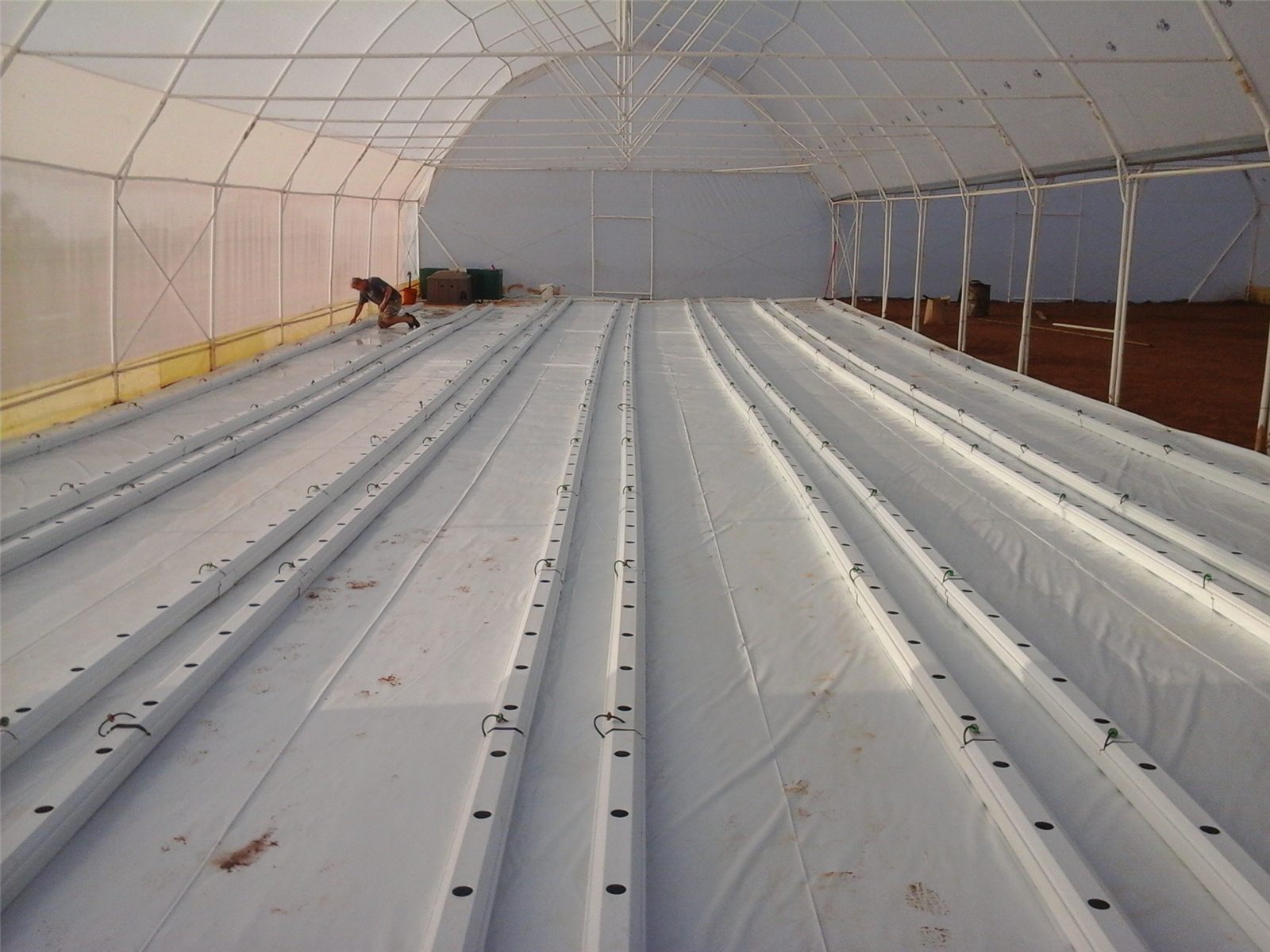
When the grower wanted a structured lettuce operation, Grow Machines designed a nethouse layout accommodating five modular NFT systems. Equipment and supplied materials were packed into containers and shipped to the site.
Built locally, supported from a distance
With drawings, an erection procedure and remote guidance, the grower erected the nethouse and installed the hydroponic systems himself, preserving funds for further development.
Plan for the climate
Heat management was central to the design discussion. The project reinforced the need to plan the covering, ventilation and growing system together for the site and intended crops.
A foundation for the next step
The story is about helping an ambitious young grower find a starting point he could afford, learn to manage it and keep a path open for development as his market, site and plans evolved.
Practical experience at home, then a dedicated tomato system for a local market
A Home Hydroponic System gave this grower practical experience and the confidence to take the next step. In 2022, a Hallelujah NFT Trellis System with aluminium supports, SMART Life Support and a cooling tower became the foundation of ongoing tomato production for a local market.
System
Hallelujah NFT Trellis System
Focus
Ongoing tomato production
Project story
Commercial installation, 2022
Explore this projectOpen the gallery, tomato-growing story and practical lessons
Photo insight
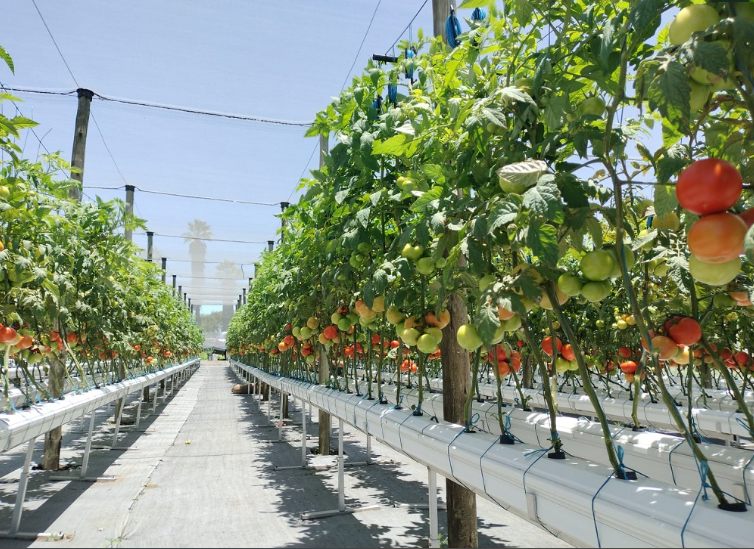
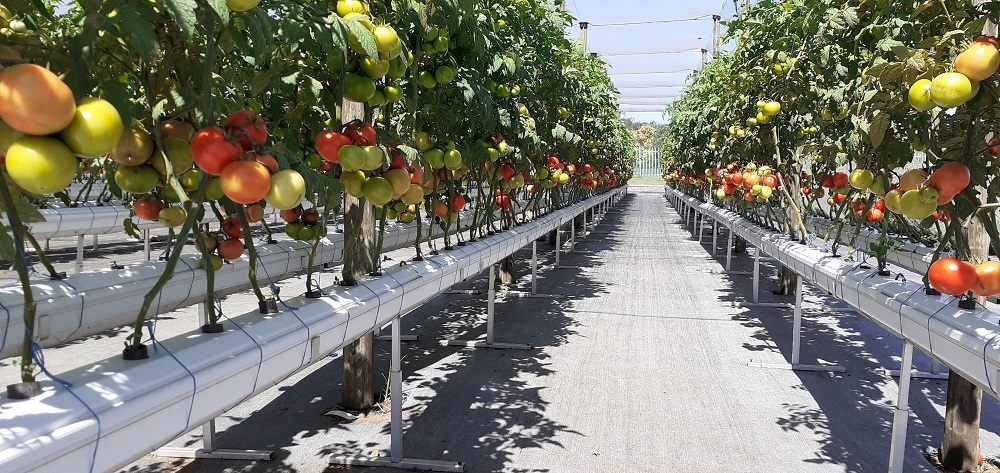
Tomato rows with green and ripening fruit provide the project’s established-production reference view.
Gallery
Confidence begins with experience
Hydroponics began here with vegetables for the household. A Home Hydroponic System gave this grower a place to learn, try things and become familiar with NFT growing. By the time the Hallelujah system was installed in 2022, practical experience had built the confidence to take the next step.
The project combines a Hallelujah NFT Trellis System on aluminium supports with SMART Life Support and a cooling tower inside an economical, purpose-designed nethouse. The NFT channels do not use bulk growing medium: seedlings start in small blocks of grower’s foam before their roots develop in the system.
A system built around tomatoes
Grow Machines observed strong tomato production at this site. The grower reports that the tomatoes’ appearance, firmness and flavour are valued by customers. The photographs show the crop and fruit at different stages; no measured yield or financial return is claimed.
Match controls to the grower’s circumstances
The SMART Life Support system was installed before Grow Machines introduced its Manual Life Support option. At the time, the project was configured around SMART control; however, power interruptions, regular generator use and unreliable Wi-Fi meant that the grower could not consistently benefit from every connected feature. With what we know now, the Manual Life Support option would likely have been a simpler and more cost-effective fit for this site. That practical lesson helped shape the range of control options Grow Machines offers today.
Practical lessons become better designs
The site’s slope initially contributed to leakage on the lowest row, and that issue was resolved. It reinforced the importance of checking levels, support adjustments and water flow during planning and commissioning. Each site still needs its own assessment.
Experience builds confidence
From household vegetables to ongoing tomato production, this project shows the value of learning on a manageable system before taking a larger step. Practical feedback helps Grow Machines improve the next installation while growers discover what works for their own site and market.